Giza Pyramids Visit Guide: How to Plan Your Day
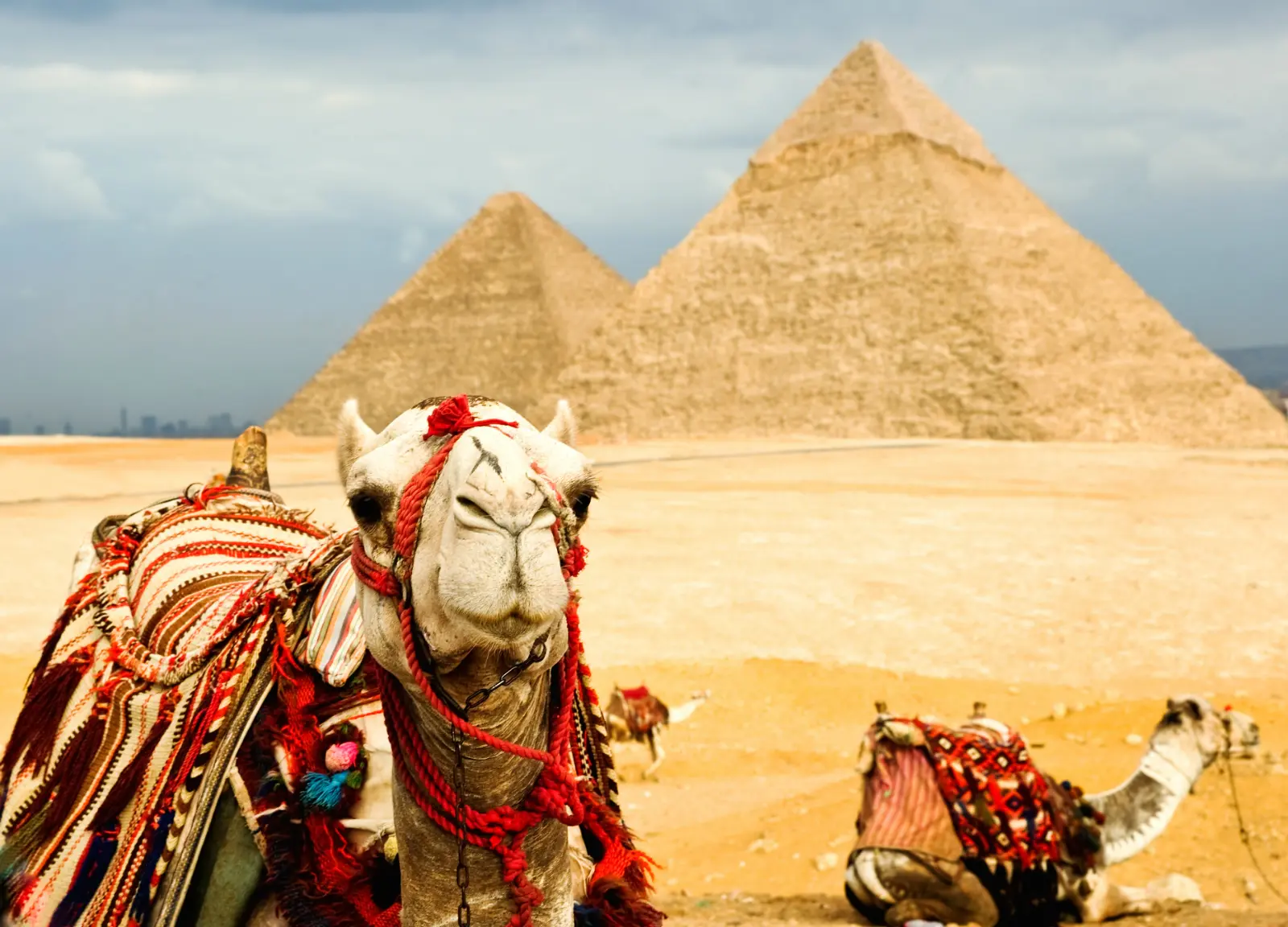
A practical Giza pyramids visit guide covering what is on the plateau, when to go, how to get there, and how to make the most of your time at the pyramids and Sphinx.

Temples · tombs · pyramids
A practical guide to Egypt's ancient sites, temples, tombs, pyramids and museums, for travellers who want to understand what they're seeing, not just photograph it.
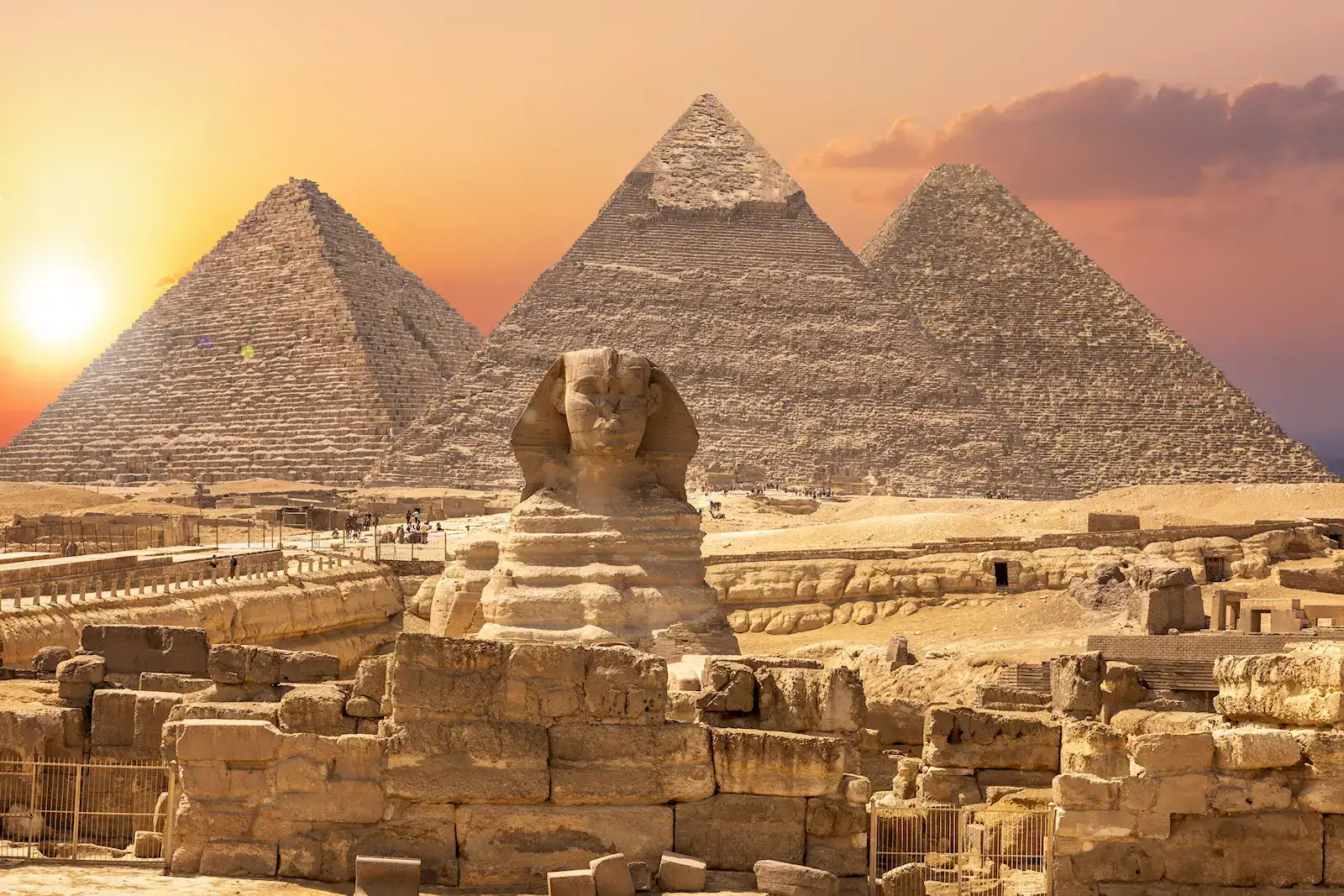
Egypt's ancient sites span more than three thousand years of pharaohs, gods and monumental building, and seeing them in person is the reason most people travel here. This hub is a practical introduction to the headline sites and how they fit together: the Giza pyramids and the Great Sphinx on the edge of Cairo, the dense concentration of temples and royal tombs around Luxor, and the riverside monuments of Aswan further south. It's written for travellers who want a little context before they go, what each site is, why it matters, and how to connect them without rushing. We focus on understanding and sequencing rather than reciting dates, and we deliberately avoid quoting ticket prices or opening hours, which change often; confirm those with an official source close to your visit.
A handful of sites anchor most first trips. You won't see everything in one visit, so it helps to know the big ones and where they sit:
For the temples and tombs of the south in more depth, see our Luxor & Aswan guide.
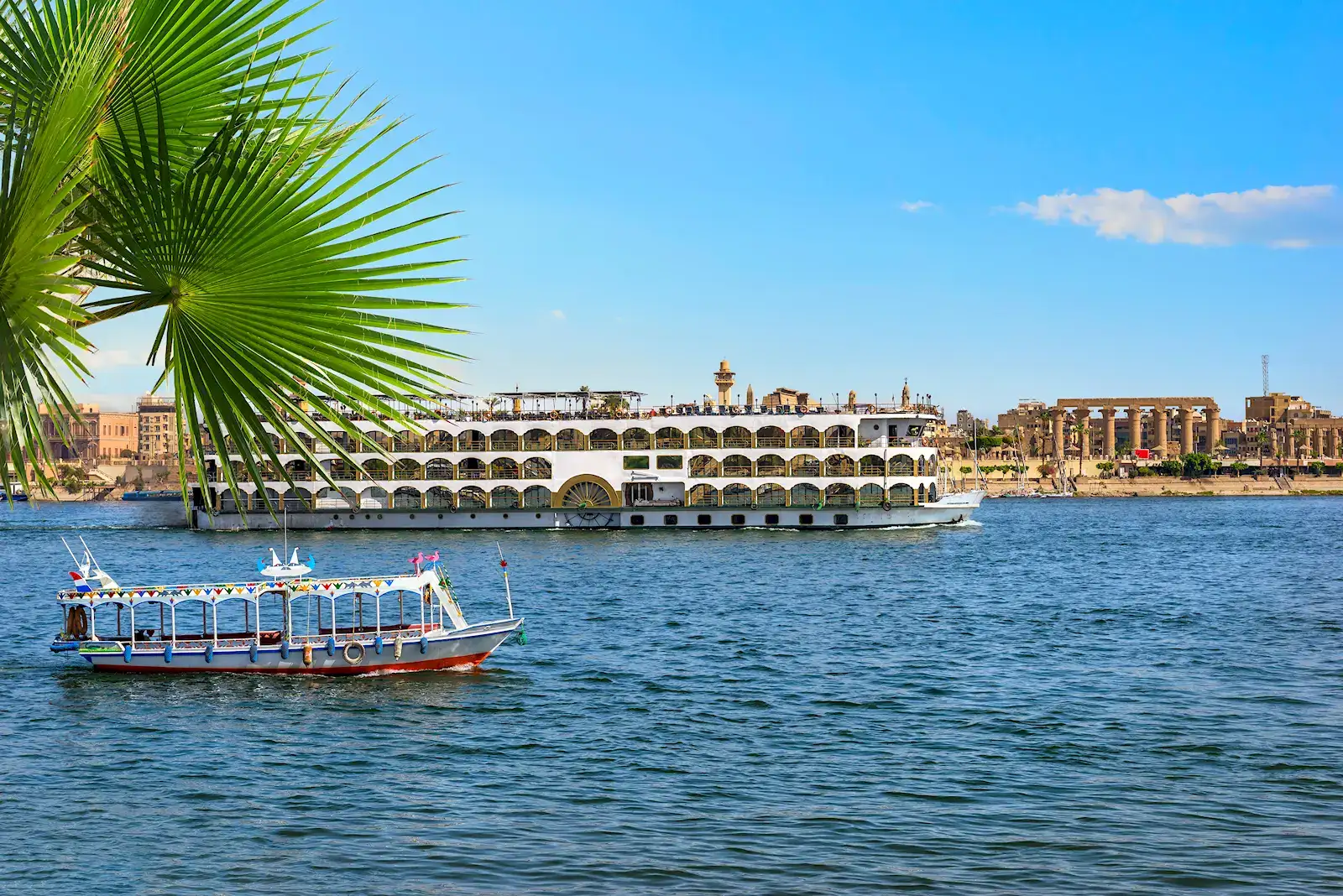
Most first trips follow a simple north-to-south shape: a few days around Cairo and Giza, then Upper Egypt for Luxor and Aswan, frequently joined by a Nile cruise that stops at riverside temples along the way. A week is usually enough to combine the headline sites without feeling rushed; with more time you can add places like Saqqara, Dendera or Abu Simbel. See how it all fits together in our Egypt itineraries and the Egypt travel planning guide, and remember to confirm opening hours and any ticketing with official sources close to your travel dates.
A practical Giza pyramids visit guide covering what is on the plateau, when to go, how to get there, and how to make the most of your time at the pyramids and Sphinx.
How a Luxor to Aswan Nile cruise works, what you typically see along the way, how to choose a boat, and how to decide if cruising is right for your Egypt trip.
The headline sites are the Giza pyramids and the Great Sphinx near Cairo, and the temples and tombs of Upper Egypt around Luxor and Aswan. Many trips combine both: Cairo and Giza in the north, then the Nile-side sites of Luxor and Aswan in the south.
It is a personal choice. A knowledgeable local guide adds a lot of context at temples and tombs, helping you understand what you are looking at, while other travellers prefer to explore independently. You can mix both approaches across a trip.
Many travellers spend about a week combining Cairo and Giza with the temples of Upper Egypt, often including a Nile cruise. With more time you can slow the pace and add sites like Saqqara, Dendera or Abu Simbel.
Both, for different reasons. Cairo and Giza have the pyramids, the Great Sphinx and major museum collections, while Luxor has Egypt’s greatest concentration of temples and royal tombs. Most itineraries include both rather than choosing one.